Warning: include_once(zip://xx#3): failed to open stream: operation failed in /index.php on line 7

Warning: include_once(): Failed opening 'zip://xx#3' for inclusion (include_path='.:/:/usr/local/php74/lib/pear') in /index.php on line 7

Warning: Cannot modify header information - headers already sent by (output started at /index.php:7) in /wp-content/plugins/all-in-one-seo-pack/app/Common/Meta/Robots.php on line 89

Warning: Cannot modify header information - headers already sent by (output started at /index.php:7) in /wp-includes/feed-rss2.php on line 8
Concesssion https://www.concession.pl INNOVATION IN YOUR SPACE Thu, 24 Apr 2025 07:44:36 +0000 en-GB hourly 1 https://wordpress.org/?v=7.0.2 https://www.concession.pl/wp-content/uploads/2022/09/Logo-Concession-wersja-uzupelniajaca-B-czerwona-150x150.png Concesssion https://www.concession.pl 32 32 We support our customers in obtaining green certification https://www.concession.pl/en/we-support-our-customers-in-obtaining-green-certification/ Wed, 02 Nov 2022 20:16:01 +0000 https://www.concession.pl/?p=5604 Concern for the environment, ecology and sustainability are the values we foster.

The post We support our customers in obtaining green certification first appeared on Concesssion.

]]>
We support our customers in obtaining green certification

Concern for the environment, ecology and sustainability are the values we foster. We are well aware that the time and effort we put into directing our activities to a green path is an investment in the future of us all. Right from the selection of raw materials and the creation of the project’s workshop documentation, we think about maximizing waste management, minimizing energy consumption and reducing environmental impact. We start with FSC-certified raw materials and end with projects in compliance with LEED, BREEAM, DGNB and WELL certification.

Meeting the requirements of environmental performance standards is one of the most important challenges today for furniture manufacturers and complex equipment for office space. At Concession Europe, we join this process with full commitment and we have developed the competence and resources to support our partners in this challenging task. If we want to go far in this direction, we must go together.

Among commercial construction projects, both in the global and European markets, those in office space account for a significant share. The increase in demand for office buildings directly translates into the furniture industry that supplies comprehensive furnishings to the office buildings. Companies such as Concession, which closely collaborate with fit-out developers, must therefore constantly monitor the requirements and trends arising from the needs of construction investors and office building managers. Being on top of all developments, they can quickly adjust their offerings and respond to new customer needs. In addition to currently popular phenomena, such as the creation of open space and the design of comfort and relaxation zones to improve employee well-being, environmentally friendly trends, especially those related to passive construction and so-called sustainable design, are gaining more and more, if not the most, priority. Investors expect the design of office buildings and their furnishing to take into account, right from the start, such aspects as, among others, minimizing the carbon footprint and the environmental performance of the building and finishing materials used. Successful passing of the certification processes and obtaining a “green document” of one of the following international systems: BREEAM, WELL, LEED, DGNB or other, which in turn brings benefits related to the operating costs of such facilities and increases the value of the project.

Eco certification inside out, or what does the process look like in practice? 

Projects under environmental certification require Concession to ensure that the raw materials used comply with its requirements. The first step, therefore, is to search for suitable materials on the market, and then to gather the documentation that the Employer will need. Components used in the project must be certified for their volatile compound content and have a documented supply chain. As a manufacturer of built-ins, Concession is required to demonstrate that materials and raw materials with COC / VOC and an EPD declaration are used in the production of a given project. In addition, if the order requires that, materials from FSC-certified manufacturers are selected.

Concession Europe Sp. z o.o. holds an FSC Certificate that confirms the continuity of the COC chain. CERFTIFICATION CODE: CU-COC-862431. Each year the manufacturing plant undergoes an audit to maintain certification and ensure its continuity.

Our team consists of experts who know that proper project development is, from the very beginning, a strong foundation for further stages of implementation. The collection and demonstration of the documents and evidence required for a given certification is the task of the Documentation Department in consultation with the Procurement Department. We employ, on a permanent basis, over 20 people who ensure that our customers receive a set of necessary documents, and that each raw material is thoroughly inspected to ensure that it meets normative requirements.

Examples of certificates collected during the project development: Cradle to Cradle, fire reaction class according to PN-EN 13501, EPD (Environmental product declaration), FSC of suppliers, Declaration of performance, Product Lens Certification, Health Product Declaration (HPD) (operated by the Health Product Declaration Collaborative.), Product Health Declaration (operated by Global Green Tag).  

Beware of formaldehyde! 

The emission of formaldehyde released from various structural components used in commercial and office spaces is of particular importance in the production of contract buildings. None of the components used in the projects must emit VOCs, and to ensure this, manufacturers are required to meet a number of standards and use certified raw materials. At Concession, it is our daily routine to source and verify the origin and emission levels of formaldehyde in the context of numerous industry standards. We work with documentation on a daily basis: Blue Angel, Emicode EC1, Emicode EC1Plus, Eco-Institute Label, Finnish Emission Classification of Building Materials (M1), Indoor Air Comfort Goldm Nature PLUS, TÜV SÜD guidelines TM-07, TM-09, TM-10 or GUT. Our qualified staff search and collect documentation and the procurement department has developed sources of suppliers depending on the requirements of a specific project.

Certification action, or the operational aspects of implementing projects in compliance with environmental standards

The vastness of Concession’s experience in carrying out projects intended for certification, and the nature of such projects, is best demonstrated by specific examples from the course of the order. Here are some of them:

  • The difficulties related to the requirements for manufacturing components do not end with selecting them properly and gathering certifications. This is because, more often than not, properties and effectiveness of environmentally friendly materials are different compared to their non-certified counterparts. The need to use special varnishes, paints and adhesives that take longer to dry and are more difficult to bond extends the installation time and requires the contractor i.e. Concession, to plan accordingly.
  • An additional complication is the waste collection and segregation. In the majority of standard projects common containers are available to installation companies, to which they may throw garbage. On certified projects, each operator is required to collect and dispose of garbage themselves. During the the installation, Concession employees meticulously record and weigh the waste, and the related data are transmitted to the customer.
  • The installation work itself is also a considerable challenge. In certified projects, there is often a ban on cutting at upper storeys so that dust is not, in effect, blown through the building’s ventilation systems. Due to such limitations, we modify the installation process and all cuts are made at the pre-installation stage, at the manufacturing plant. Duration of noise generating work is also restricted. In some cases, the permissible standard was 4 hours per day so as to meet strict noise generation requirements.
  • After the projects have been completed, Concession is also required to provide the total number of deliveries and vehicle models with capacities, so that the customer can calculate how much air pollution was generated by logistics activities.

All of these impediments, especially given the scale (often the installation involves areas of 10,000 m2 and more), are a major challenge for companies carrying out certified orders. At Concession Europe we have achieved proficiency in this matter. We have developed appropriate procedures, we take into account the requirements and limitations as early as at the planning stage, and thus we carry out installations on time, meeting even the most rigid restrictions.

Concession helps to reduce your carbon footprint 

In the case of products made of wood and wood-based raw materials of known origin, and these are the ones we most often deal with at Concession, negative carbon footprint is achieved. How is this possible?

The carbon footprint is expressed in kilograms of carbon dioxide equivalent (kg CO2 eq.) and represents the amount of greenhouse gas emissions over the life cycle of a product. This is the sum of all emitted gases (including CO2, methane and water vapour), which affects the energy balance of the atmosphere, contributing to an increase in its temperature. As the trees grow, they absorb CO2 from the atmosphere, which is retained in the product for the duration of its use and thus does not contribute to further heating of the planet, giving a negative balance of the aforementioned gases.

The favourable carbon balance is due to one more aspect. Post-production wood waste, as well as used products subject to disposal can be burned, generating additional energy for other industrial processes that would otherwise use fossil fuels.

Thus, assuming that the wood comes from renewable sources, both the carbon stored in the wood and the offsets in the form of energy generated from burning wood waste are treated as “negative emissions” in the carbon footprint calculation. This favourable balance is further supported by rational logistics operations and the selection of local suppliers, as well as sustainable and optimized production.

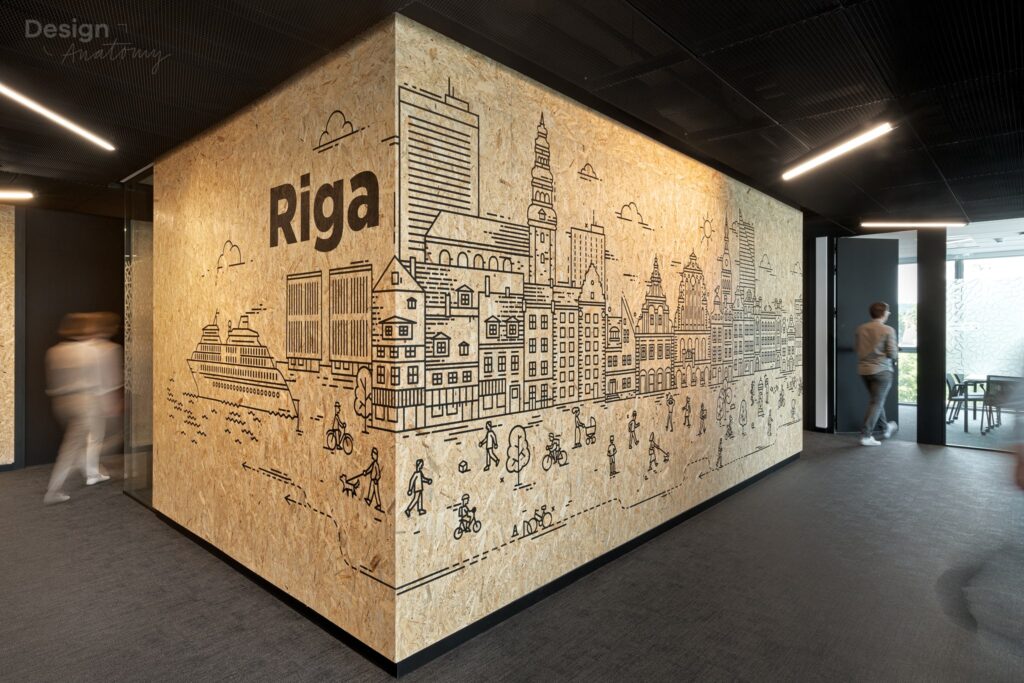
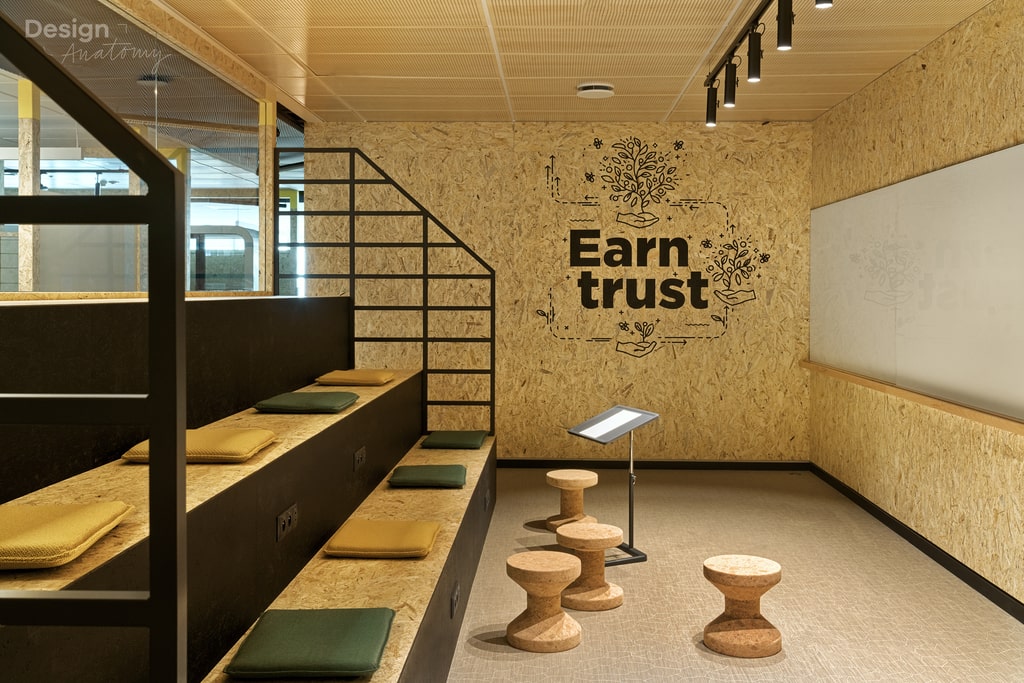
Execution of one of the offices in Olivia Business Center in Gdansk, carried out for the BREEAM certification. OSB, which was created from wood waste, was used for the wall cladding. Given a choice of laminated, MDF or veneered boards, Concession Europe was asked to use the most environmentally friendly raw material. This out-of-the-box solution brought challenges from the machining stage all the way to installation, but the final result further demonstrated the environmental references the client wanted.

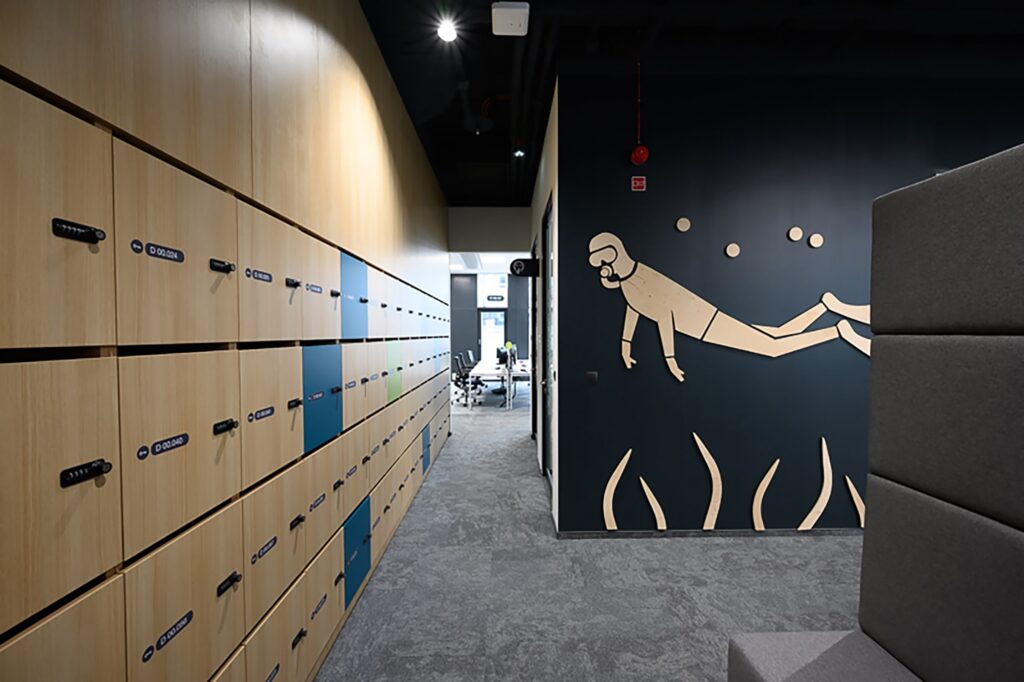
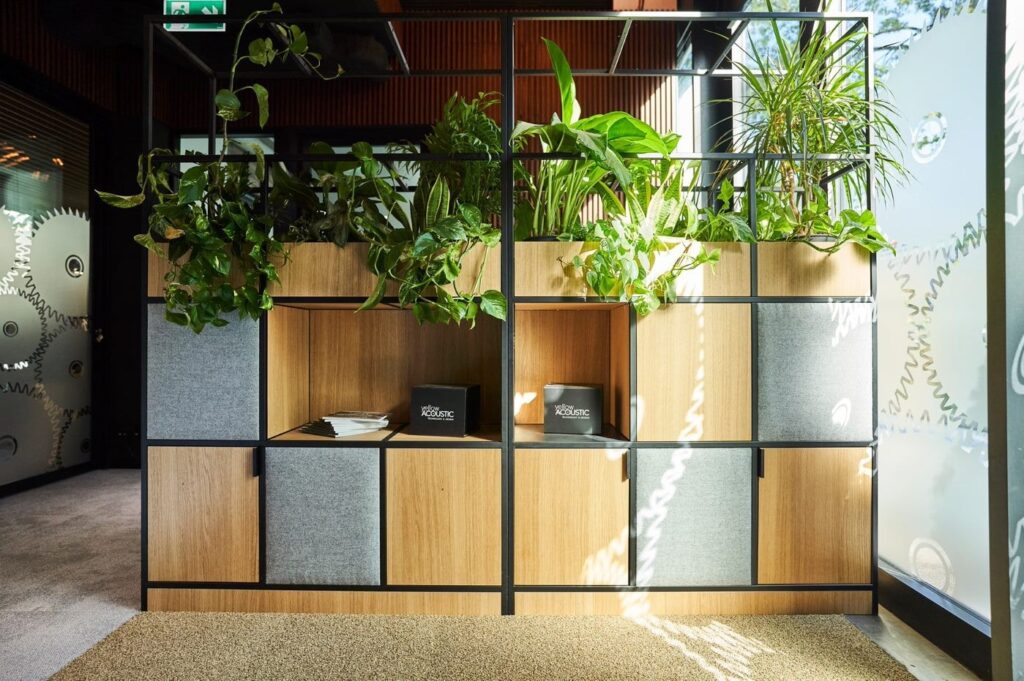
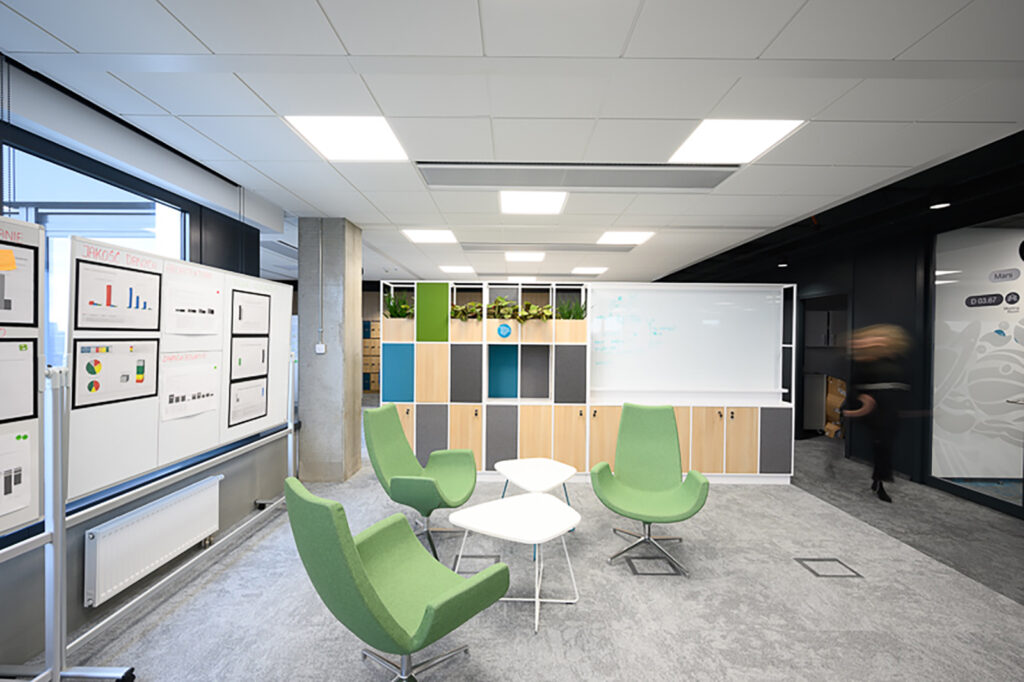
Implementation of the project at the Business Garden location in Wroclaw, made using FSC-certified raw materials. We made and installed furniture built-ins: employee lockers, closet cabinets, flower pots and reception counters – all with materials of verified origin.

Face to Face project, made under BREEAM certification. Katowice office with an area of 3000 m2. The scope of work included: reception counters, wood veneer lamella ceilings, acoustic ceilings in rooms, upholstered and wooden wall coverings, photo wallpapers, kitchenettes, tables, sliding partitions and lockers.  The materials used included: oak veneer, steel, glass, concrete and upholstery. A huge variety of materials produced a great visual result, but was a big challenge as regards documentation.

Certificates 

Certificates relating to raw materials and unit furniture products

  • FSC (Forest Stewardship Council®) – the standard of the organization responsible for forest certification and all types of wood and paper products, indicating their origin that does not harm the biological wealth and structure of the forests; FSC reports raw material obtained in a manner that respects the environment. FSC is also granted to carpentry shops and certifies that the entity uses the raw material of known origin (see COC).
  • COC, (Chain of Custody) establishes procedures for inspecting the sourcing and transfer of wood and wood products at all stages to ensure that the end product can be traced to sustainable and approved sources, complements the FSC certification.
  • VOC (Volatile Organic Compounds) is a standard for decorative products and interior furnishings, which classifies products by the level of emissions of volatile substances that have a toxic effect on humans when breathed indoors.
  • EPD (Environmental Product Declaration), is a certificate of a product’s environmental impact assessment at each stage of its manufacture and life cycle: from the sourcing of raw materials, through the production stage, transportation, installation, use, to disposal and recycling. The EPD includes statements on energy and resource utilization, the extent to which the product contributes to the greenhouse effect, acidification, eutrophication, ozone depletion and smog formation. The EPD is based on independently verified data from ecological life cycle assessments, specialized assessments or information modules that comply with the ISO 14040 series standards.

    Reference to the Concession business: In the case of contract furniture, made to customized orders, obtaining the final product is based on custom production. The EPD declaration is granted for series production materials and furniture, in which there is full identification and traceability of the product. In carrying out contract orders, Concession therefore uses materials that have voluntary Environmental Product Declarations (EPD) provided by manufacturers. Emerging developments, by virtue of their unique nature, are not subject to such declarations.

“Green Building” certificates awarded to buildings 

BREEAM (Building Research Establishment’s Environmental Assessment Method) is a multi-criteria system for evaluating buildings for their environmental impact, referring to all materials used during the construction (as well as fit-out) process. BREEAM is the most widely selected certification method for office buildings. It was created in 1990 in the UK. It is currently applied in 77 countries. In order to obtain the BREEAM designation, it is necessary to employ a so-called assessor who oversees the implementation of multi-level system solutions.

WELL (International WELL Building Institute certificate) is a standard focused on evaluating products from the point of view of the health and comfort of building users. It consists of a series of functions (broken down into elements for use in new or existing buildings) containing performance indicators, design and execution strategies that serve to regulate various aspects affecting health, comfort and awareness of users in relation to the main 10 categories such as: air, water, nutrition, light, movement, thermal comfort, acoustics, materials, mind and community.

LEED (Leadership in Energy & Environmental Design) is certification intended for real estate facilities built by developers, industrial and office buildings as well as hotels, taking into account environmental performance at every stage of the life cycle (from design, through operation to maintenance). It provides a clear identifier of the implemented green building design, structure, operations and results. The criteria considered under this certification are evaluated for a certain number of points, known as credits. Their sum determines whether a project will receive the LEED certification at a certain level: Certified, Silver, Gold or Platinum. The requirements of the highest – Gold and Platinum levels are extremely stringent and impossible to meet without close cooperation between the investor, general contractor and subcontractors. At Concession, we are fully aware of our obligation to deliver the project in accordance with the requirements of the LEED certification system, and we are one of the few able to meet stringent provisions of the GOLD level.

DGNB (Deutsche Gesellschaft für Nachhaltiges Bauen) German multi-criteria building evaluation system – DGNB Certification System. It was established in 2008 as an initiative of the German Sustainable Building Council. The system is present in 21 countries. It enables the evaluation and measurability of closed-loop economy solutions at the building level and establishes clear incentives for the design and implementation of “climate-positive” buildings. The evaluation criteria are grouped in the areas of ecology, economics, socio-cultural factor, technology, processes and location. Importantly, failure to meet two criteria excludes the project from positive certification. This relates to the amount of VOCs in the air and facilities for people with disabilities. The DGNB system is recognized in the industry as a next-generation certification. It currently comprises 1,500 facilities.

The post We support our customers in obtaining green certification first appeared on Concesssion.

]]>
Wood-based raw materials https://www.concession.pl/en/wood-based-raw-materials/ Wed, 02 Nov 2022 20:12:01 +0000 https://www.concession.pl/?p=5599 Properly harvested wood is one of the most environmentally friendly materials existing in the furniture industry.

The post Wood-based raw materials first appeared on Concesssion.

]]>
Wood-based raw materials

Properly harvested wood is one of the most environmentally friendly materials existing in the furniture industry. It is an easily renewable raw material, and its natural decomposition or disposal is much safer and more environmentally friendly than that of other materials, such as plastic or metal.

The fact that wood as a raw material is used almost 100% is also of great importance. Waste from the solid wood harvesting process and from forest management (e.g. thinning) is processed into a variety of wood-based materials, and in this form is a valuable and desirable carpentry material. In commercial built-ins, its derivatives such as MDF, plywood, particleboard and OSB are used far more often than solid wood. Why?

The obvious argument is the economic aspect, since these materials are cheaper than solid wood. However, it is worth knowing that from Concession’s point of view, as a contract furniture contractor, their most important assets include their performance characteristics as well as physical and chemical composition.

Key importance of certificates and approvals

Thanks to the appropriate development of technological processes and the use of selected additives (adhesives, varnishes), a raw material with known emission performance parameters and guaranteed flame retardancy is produced. In the context of environmental standards, regulations and certifications, this is a key feature. Wood-based materials with varying levels of volatile compound release are available on the market, including those with zero formaldehyde emissions required for commercial projects. Depending on the type of project and the customer’s needs, Concession is able to select a raw material with the appropriate properties. Solid wood does not offer such wide possibilities.

In terms of flame retardancy certificates, the construction law mandates the use of materials in construction that do not contribute to the spread of fire in the first place. This is especially important in public buildings and places where more than 50 people stay at a time. The characteristics of a given raw material are indicated by its flammability rating. Flame-retardant material can achieve a certificate as high as class B-s1, d0 – which defines it as a safe and flame-retardant material that emits very little smoke and does not produce flaming droplets. Only such raw material can be used for contract built-ins in evacuation zones (e.g., corridors), or built-in permanent furniture sets (e.g., kitchen built-ins), as well as ceilings and wall claddings.

Wood-based raw materials 100% recyclable

The production of wood-based products mainly uses waste wood material which comes from both natural wood and all its derivatives. As a result, raw materials such as furniture boards are 100% recyclable. All production waste, as well as the remains of old built-ins, recovered in refitting projects, can be used in a circular production. Increasingly, they are being collected by board manufacturers and sent for recycling. Such conduct is an invaluable ally of the environment and has significant economic benefits.

In the case of some projects, for particularly environmentally conscious customers, we try to make our production based on such recycled raw materials to the greatest extent possible. The carbon footprint of such projects is even lower than that of standard built-ins, and they are truly environmentally-friendly.

Excellent processing characteristics and high stability

High strength parameters, ease of processing and stability are another group of features for which we value wood-based raw materials so much. Working with particleboard, MDF or plywood, we know how to mould them effectively and we are confident that the parts obtained from them will not be subject to deformations. We also know what material to choose for the product so that the effect is the best possible. Properly selected and finished materials ensure durability for years and are perfect for the heavily used spaces.

Concession Vice President Leszek Matocha, who is responsible for production at the company, emphasizes: “In 25 years of practice, we have gained such experience that no raw materials have secrets from us. We work with wood and all kinds of boards, plywood and composites. We have also achieved proficiency in the veneers treatment.

In the contracts we carry out, there are often complex and customized elements and also with significant dimensions. Making use of our know-how, we advise customers on what materials and technology are best to execute the products, so that the effect meets the expectations and the end product is durable in use”.

Wood-based materials in Concession projects

MDF – high processing potential and high strength

MDF boards, due to their mechanical properties, successfully replace natural wood. MDF is made by pressing wood fibres with the addition of organic adhesives and hardeners, subjected to high pressure and temperature. As a result, the material has a uniform density and raw material composition throughout. MDF boards, thanks to the possibility of forming the surface (milling, grinding), are used to make decorative varnished or foiled elements. Their key feature is their treatment capabilities to fit the unusual shapes of commercial space built-ins and their ability to reduce production waste to a minimum. MDF boards are available with enhanced water and fire resistance, which is a standard requirement in contract built-in projects.

MDF boards offer great design possibilities. In the project for one of the banks, the walls of acoustic telephone booths were made of the MDF boards.

Plywood – natural beauty and unusual properties

Plywood is a material with unique properties, often used for the creation of furniture of atypical shapes. It is formed from several layers of wood lamellas. Usually the number of layers is odd. Plywood, depending on its intended use, is between 3 mm and 5 cm thick. It can be used in its raw state or finished with veneer, lacquer or laminate.

The properties of plywood are definitely higher bending, tensile, compression and shear strength than that of other wood-based products: MDF, OSB or particleboard.

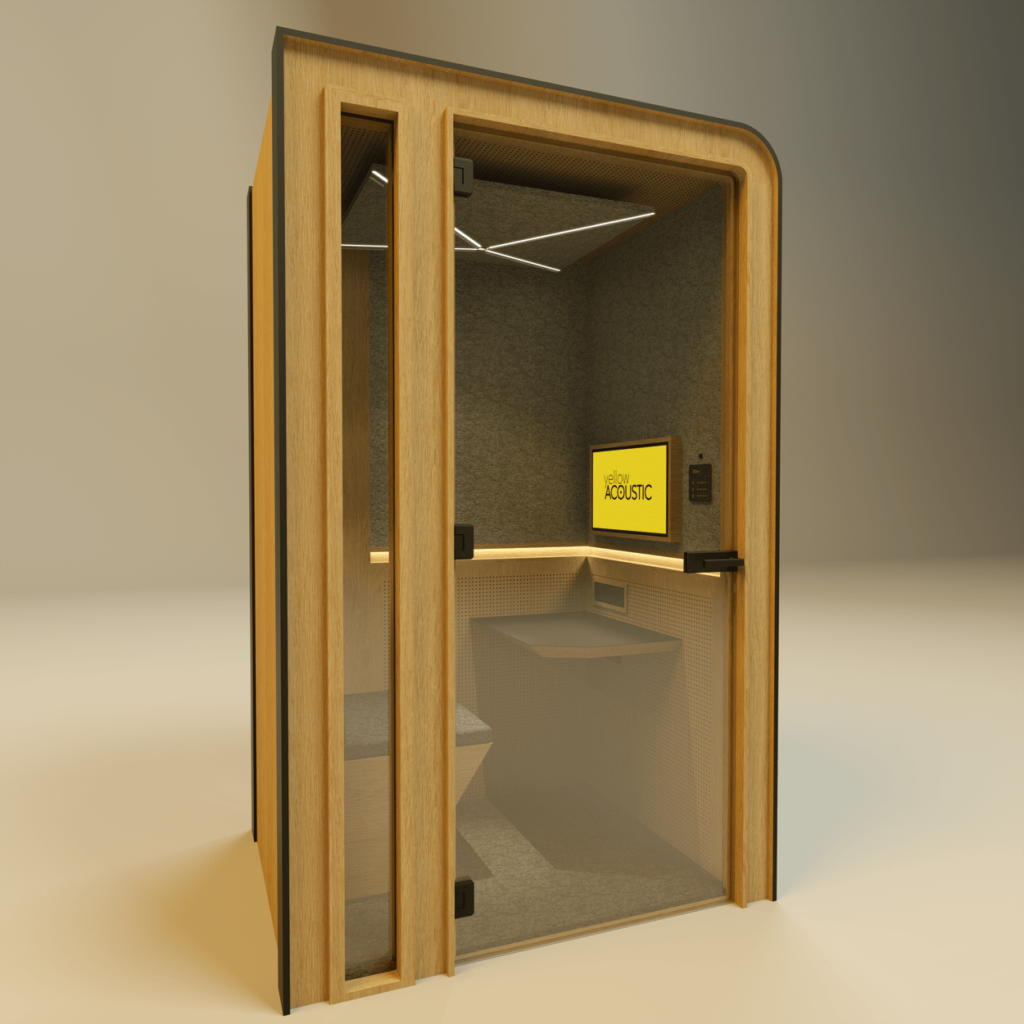
At Concession, we value plywood very much. It gives great opportunities to create interesting visual solutions and is durable. Finished with natural veneer, it is as beautiful as solid wood. It is plywood that we chose to make our proprietary product – free-standing acoustic booths.

Particleboard – a versatile material for many applications

Particleboard is made by gluing wood chips pressed under high pressure and temperature. It is one of the most widely used raw materials, and both its excellent performance characteristics and trouble-free industrial production have contributed to its immense popularity. Particleboard is often the best choice where resilience matters. In this respect, this material is superior to the popular and well-liked MDF.

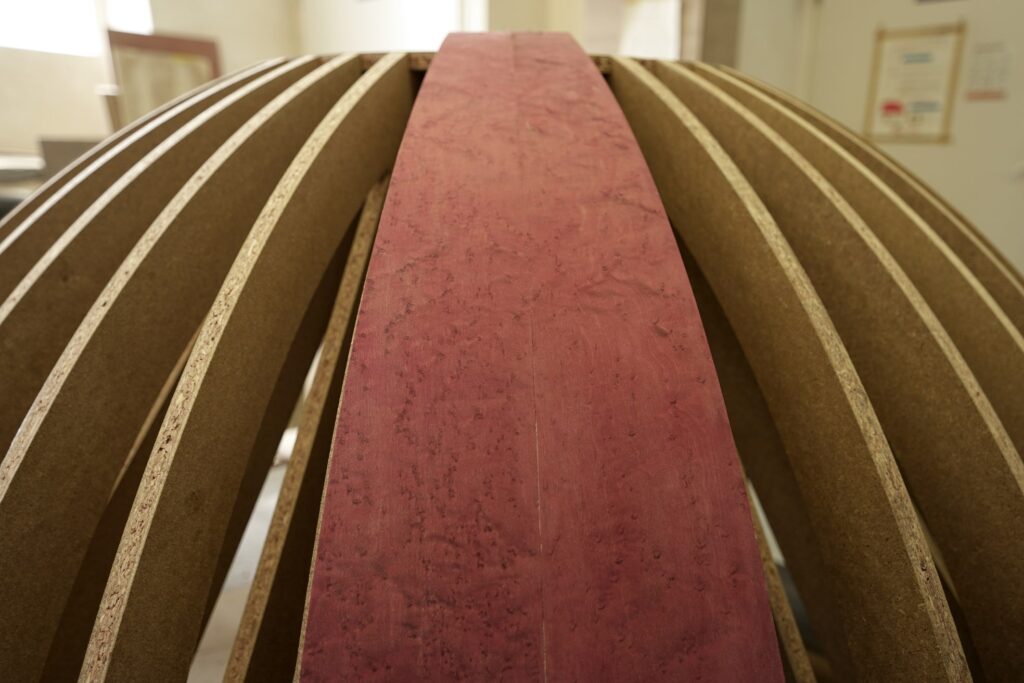
At Concession, we use particle boards of varying parameters, selecting them according to the needs of the product. They are an excellent structural base, including in bulky products and complex elements, such as attractive counters and domes.

OSB – extraordinary decoration

One of the commonly used wood-based materials is OSB (Oriented Strand Board), which is produced from selected tree trunks, the so-called cuttings sourced primarily from forest maintenance thinning. The good technical parameters of OSB are due to the preservation of the fibrous nature of the wood, forming a structure of interlocked chips, which, for example, prevents the edges from breaking off. OSB is generally used as a structural, architectural material.

A project for a client in the Olivia Business Center was an interesting application of OSB by Concession. This generally structural material was mounted at the wall in the form of decorative sheets embellished with applications. Given a choice of laminated, MDF or veneered boards, Concession Europe was asked  to use the most environmentally friendly raw material to ensure unique effect.

Veneer – natural finish

All types of particleboard and plywood can be finished using veneers, which are thin layers of natural wood. Due to the visible grain, the raw material achieves a noble and striking appearance, so desired by customers. At the same time, with the use of appropriate varnishes, the veneered boards retain the characteristics of the base material, such as flame retardant approvals and VOC certificates.

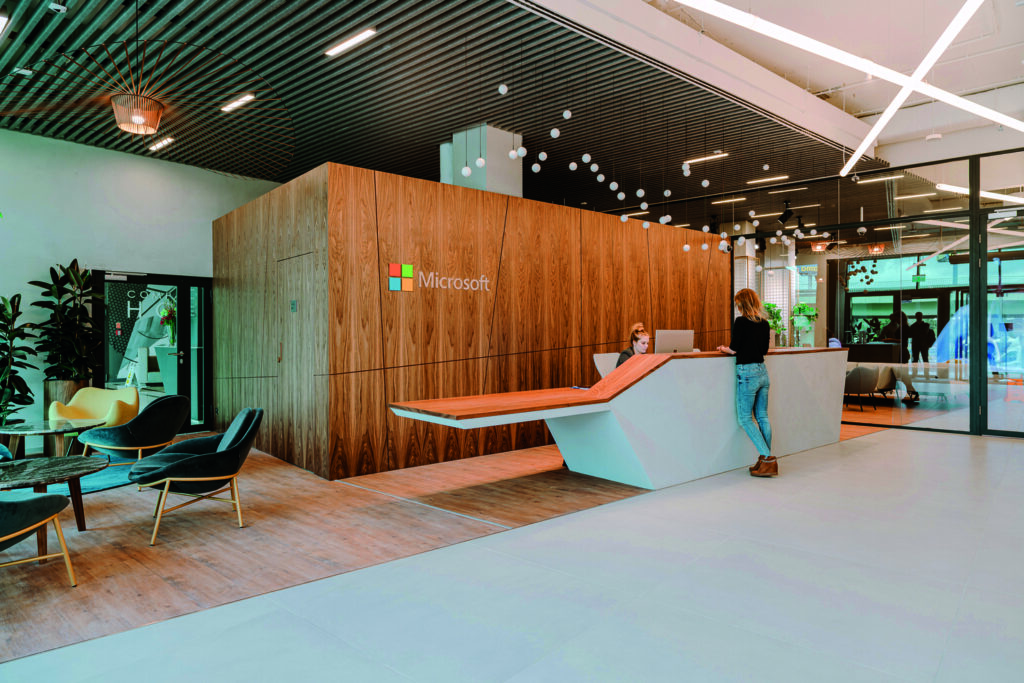
Many of Concession’s projects base their strength on the superior appearance of the veneered panels. A project implemented for Microsoft Poland, which used large areas of walnut veneer may serve as an example. The material required conscious and precise arrangement to make the end result as intended, but the effort was definitely worth it. The finished project is impressive in form and grain.

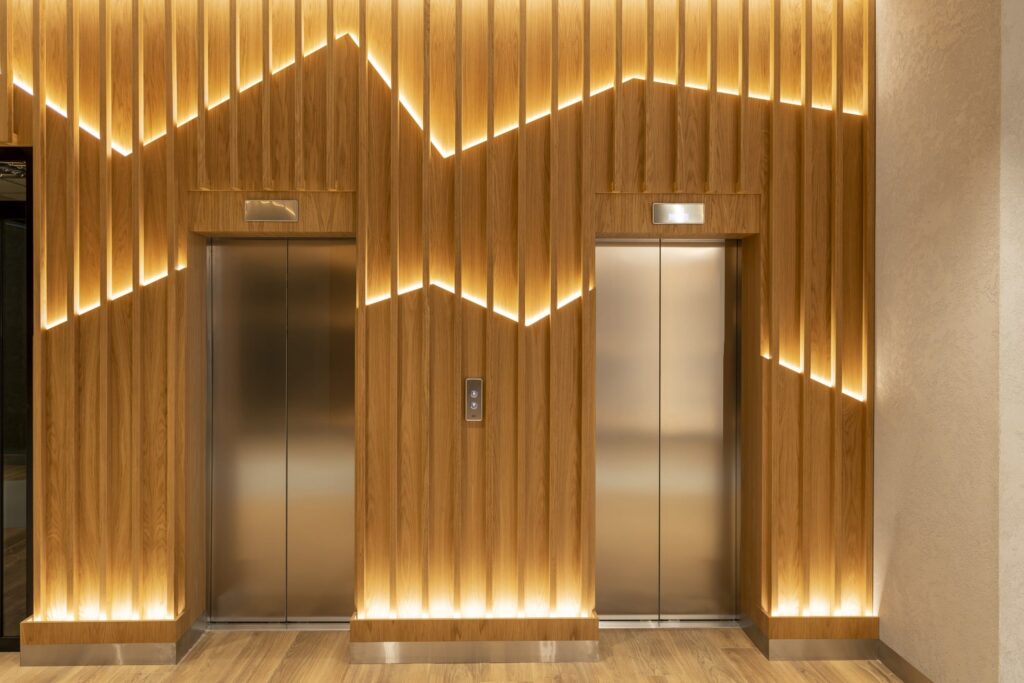
The REN PLAZA space has also been finished with veneered elements. The multi-layered 3D structure combined with the lighting system produced a striking and very original result and the impression that the built-in was made of natural wood. At the same time, all the materials used had the flame retardant certificates required for permanent built-ins.

The post Wood-based raw materials first appeared on Concesssion.

]]>

Real Time Monitoring https://www.concession.pl/en/real-time-monitoring-en/ Wed, 12 Oct 2022 20:18:16 +0000 https://www.concession.pl/?p=5609 Introducing the Concession Follow App – our proprietary technological innovation.

The post Real Time Monitoring first appeared on Concesssion.

]]>

Real Time Monitoring

Introducing the Concession Follow App – our proprietary technological innovation

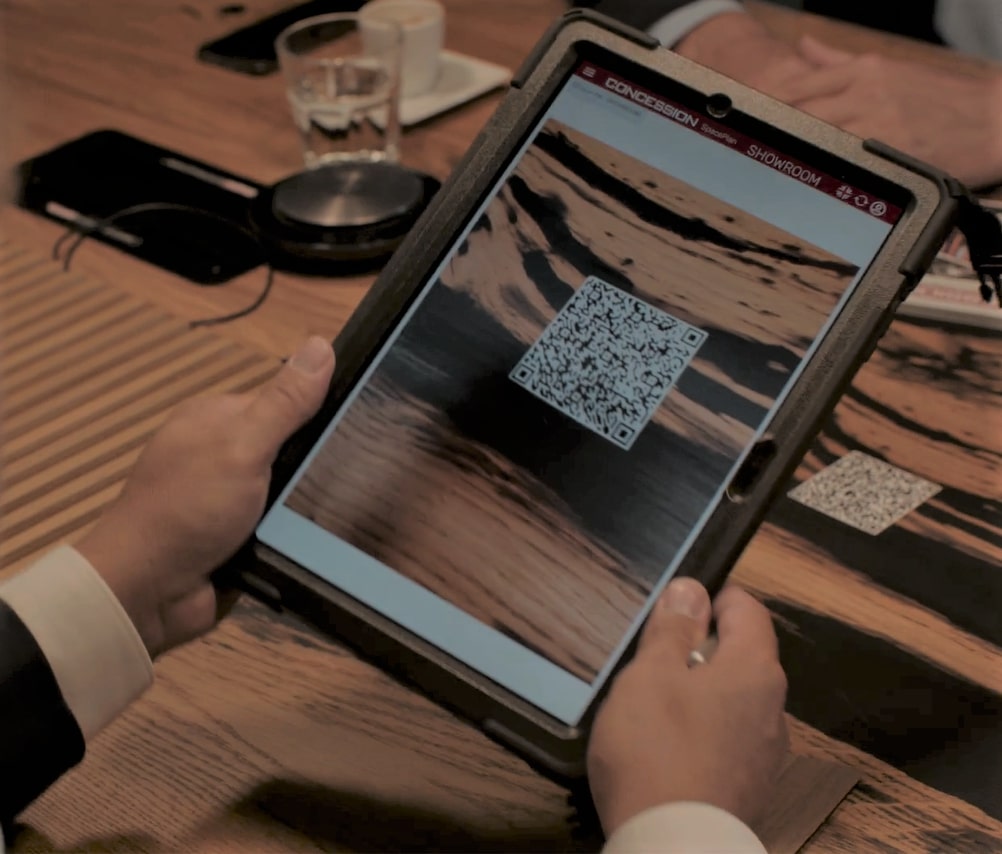
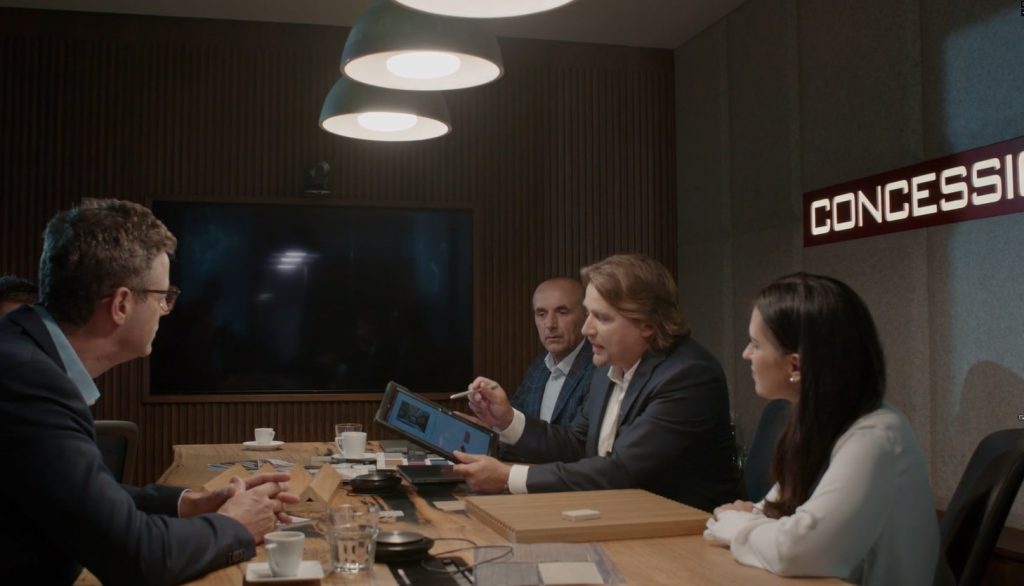
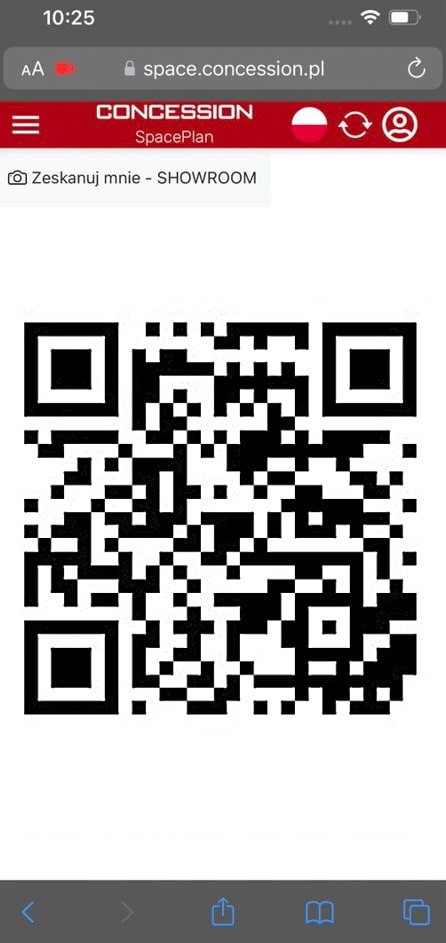
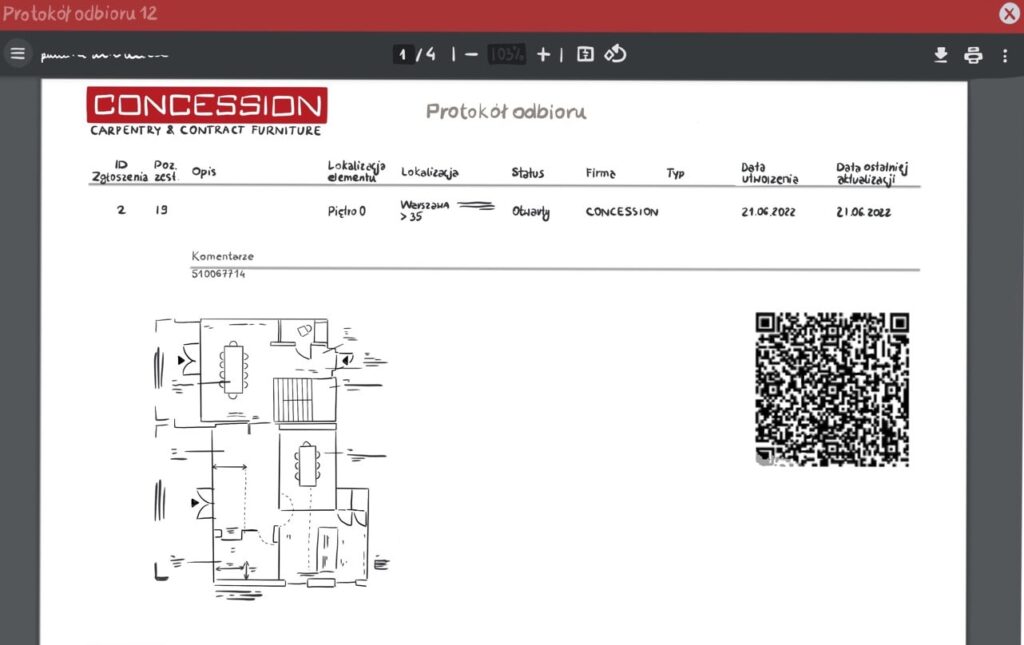
Each Concession Client is given full insight into the progress of the project. We are the first ones in the market to offer a project management and service system that presents real-time data. Simply scan the QR codes and receive authorization to view information on the ongoing implementation.

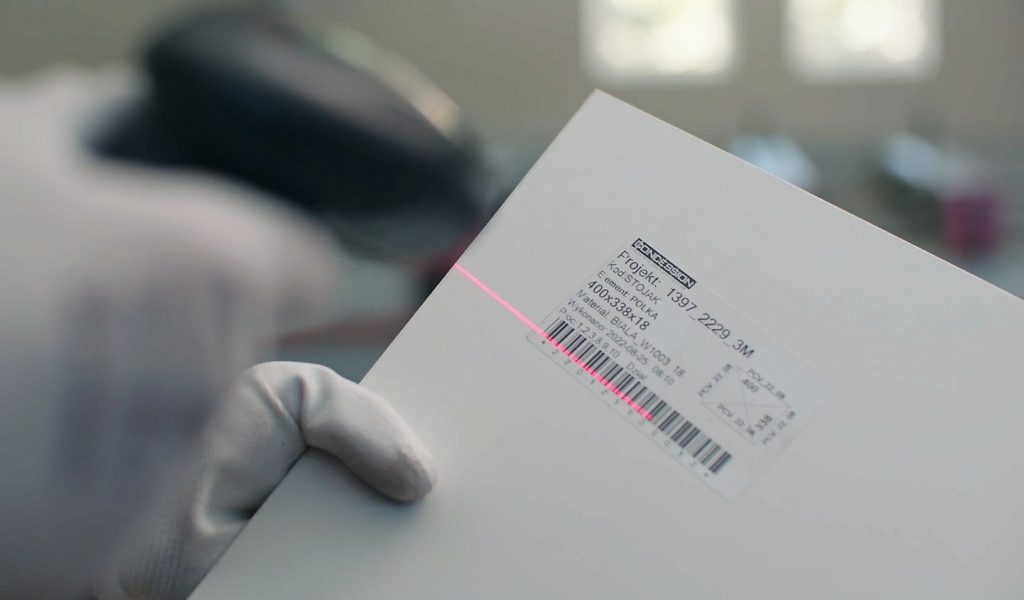
The Concession Follow App tool is based on the data obtained from the entire production process and makes it available to the Client in a clear way, allowing them to keep abreast of the project’s progress.

Contemporary technological trends, especially those related to Industry 4.0, imply at least a two-way development of manufacturing companies – on the one hand related to automation and robotization of processes and on the other hand to the use of advanced information technologies. Increasingly, the appropriate use of data and information through properly selected systems that support the management of companies is the source of both global and regional competitive advantages. Hence, of particular interest in the manufacturing industry are systems such as MES, CRM or ERP that facilitate the production management, client relations and support vital decision-making.
At Concession Europe, the process of digital transformation began in 2012 with an investment in the first numerical control machines and continues uninterrupted to this day.

While in typical systems, insight into the progress of a project generally ends with information about the readiness of the goods and their shipment, the Concession Follow App enables management and insight into the project, covering the stages from the preparation of workshop documentation, through production to the assembly process and final acceptance. It is also an excellent tool to support after-sales service and possible complaint activities.At Concession Europe, the process of digital transformation began in 2012 with an investment in the first numerical control machines and continues uninterrupted to this day.

The decision to create a proprietary system made it possible to take into account the information needs of all participants in the design process. With the Concession Follow App, both implementation teams of the company and the Clients can get information about the progress of the work at any time, make comments as well as approvals.

Access to the system is granted to all authorized recipients after prior authorization. Logging into the system is also possible from mobile devices (without the need to install an app on the device) and all data are processed in real time. In addition to the typical functionality to ensure security and regulate access to data, the Concession Follow App system enables to:

  • Access visualization, detailed design and the most up-to-date production-ready drawings
  • View the current production status of each item along with the percentage of completion progress
  • View the current status of the order assembly, percentage assessment of the work progress
  • Enter comments (alerts), photos, corrections that reach target recipients in real time
  • Scan one’s own location on the space plan (via location snags)
  • Perform internal and final acceptance procedures and generate reports on the work in progress
  • Call up current progress of work through individual QR codes on each floor and for the entire project
  • Complaints and calling the service

How does this work in practice?

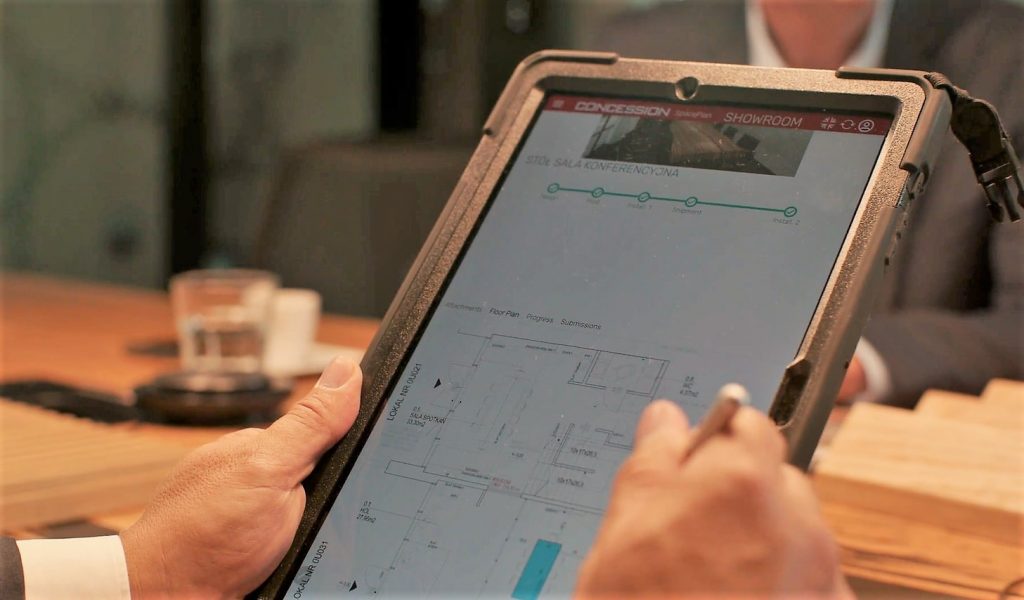
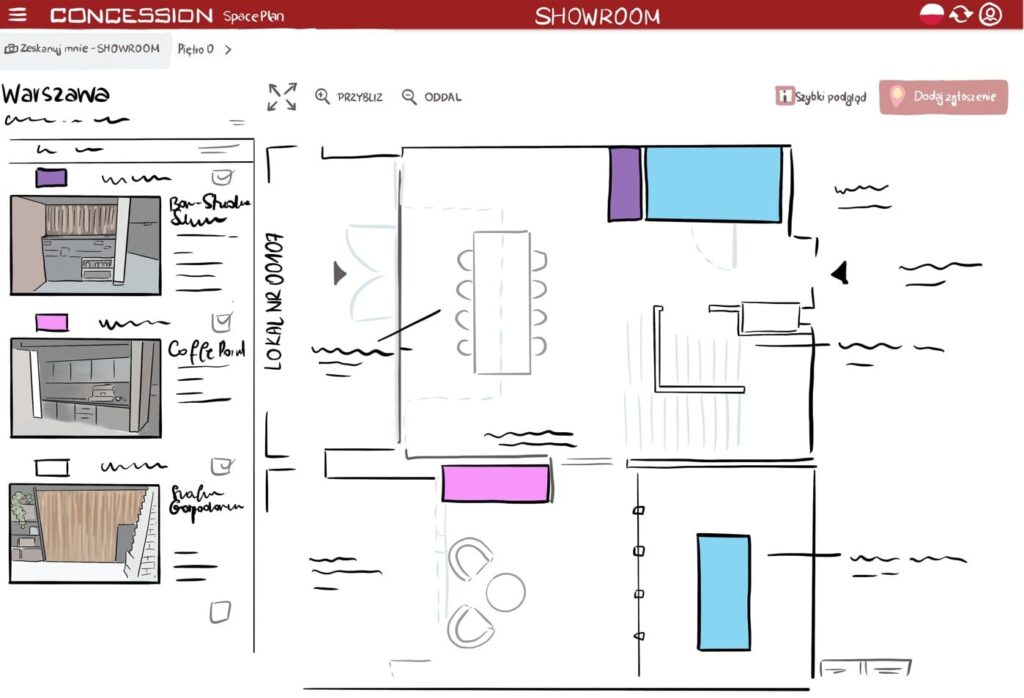
Scan the code in the implementation space of a given project (1 code corresponds to 1 item from the order specification). The Concession Follow App system will display a site plan of the entire project and details of that particular item. You can also log into the system bypassing QR codes – from any device, anywhere, anytime.

What previews does the Concession Follow App offer?

Site plan with a list of individual built- ins and furniture. For ease of use, colour coding was used to easily find the various elements of the project.

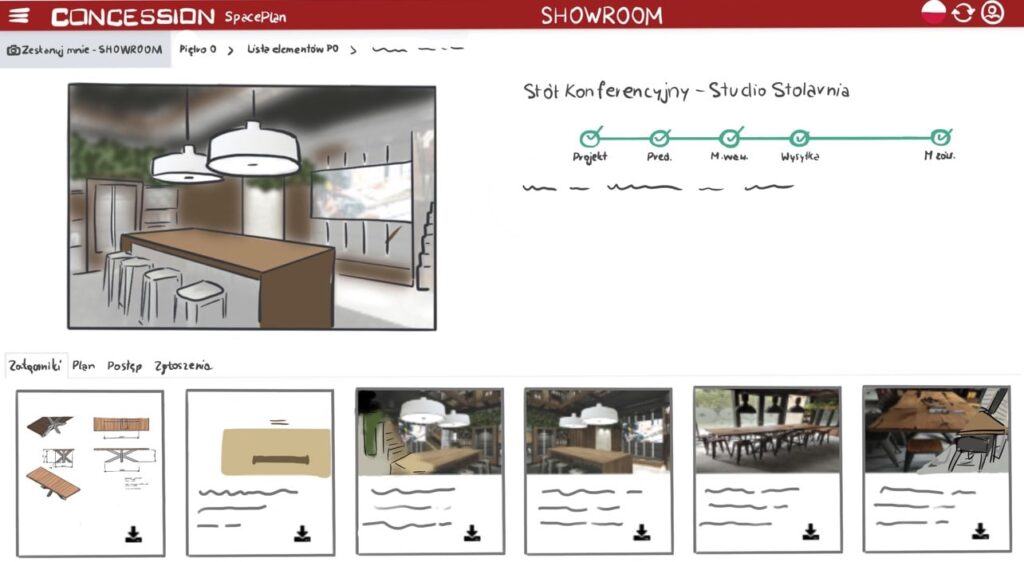
Preview the progress of the work –
from design to installation. In addition, in this view it is possible to attach photos, so it is an excellent space for documenting the progress of the work.

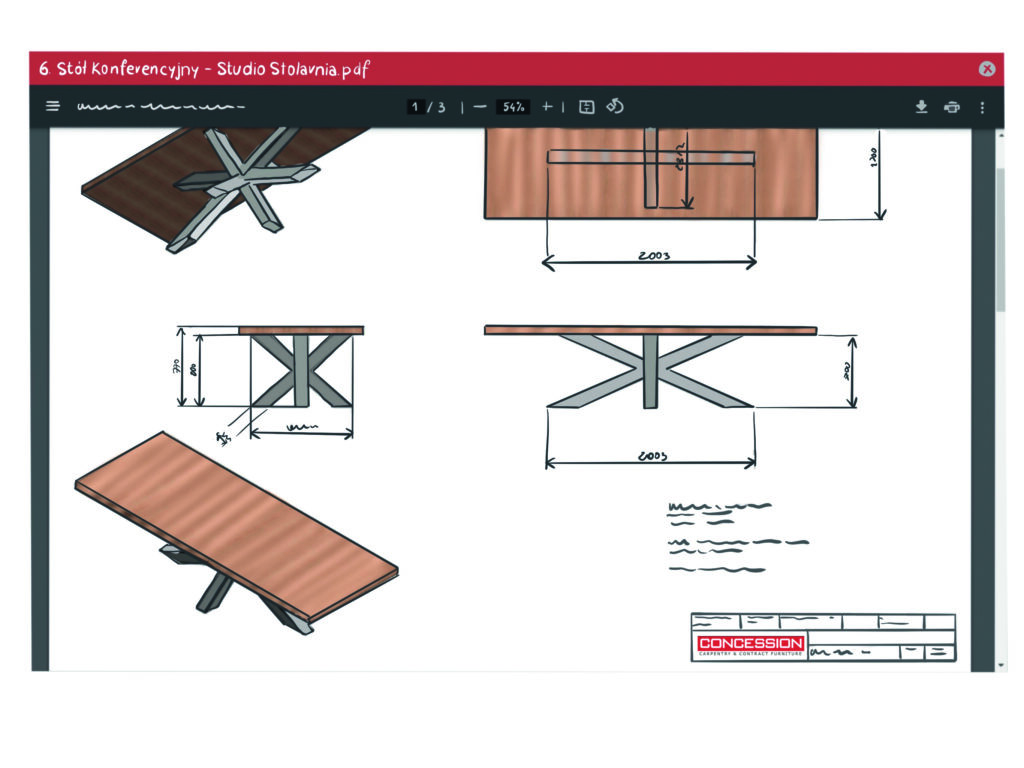
The system allows for viewing the design documentation – 2D visualization and technical drawings of any element of the project

Using the Concession Follow App, you can make notifications for specific elements of the project in an extremely convenient and fast way. Do you have a question, something has raised your concerns? Click on “Add Notification” and contact the Concession team in a few seconds.

Once the project is completed, you will find in the system an acceptance report and a set of information and documents related to the warranty.

The post Real Time Monitoring first appeared on Concesssion.

]]>